.png)
Mother Tongue Language Fortnight (Tamil Language)
1 May 2026
Experience various aspect of Tamil languages and culture during the Mother Tongue Language Fortnight.
The Mother Tongue Fortnight (MTL Fortnight) programme offers Secondary 1 to Secondary 3 students a meaningful opportunity to explore and appreciate Indian heritage, traditions and the Tamil language through a range of engaging cultural immersion activities. By combining hands-on experiences, traditional practices and modern learning approaches, the programme makes learning both educational and enjoyable.
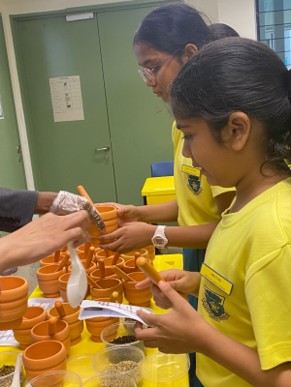
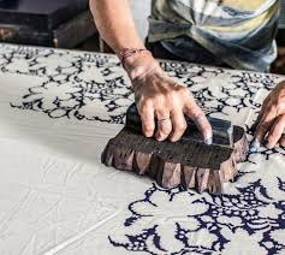
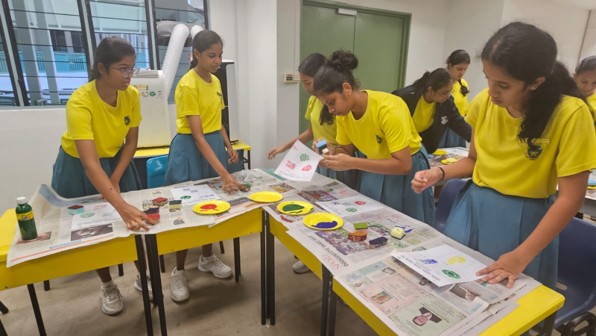
Students participate in culinary and traditional craft activities, discovering the uses and significance of various Indian spices and preparing healthy, refreshing traditional drinks. They also explore traditional art forms through block printing, creating their own tote bags, and Madhubani painting, where they learn about the cultural significance of this vibrant art while expressing their creativity.
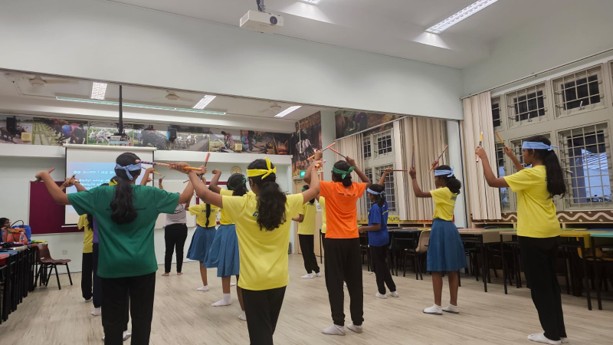
The programme also promotes physical activity and cultural expression through traditional games and folk dance. Students experience the excitement, teamwork and strategy of Kabaddi, while learning the movements and cultural elements of Jikkaatam. These activities allow students to appreciate how traditional games and performing arts have been preserved and passed down through generations.
To connect heritage with contemporary learning, the programme includes literary seminars and innovative technology. Students explore the use of artificial intelligence (AI) to compose original Tamil music, demonstrating how technology can inspire creativity and deepen their engagement with the language.
A collaboration with OLI 968 radio further enhances the experience through media activities, communication and role-play. Students gain confidence in using Tamil while discovering its relevance in contemporary media.
Overall, MTL Fortnight celebrates language, culture, creativity and heritage, encouraging students to connect with their roots while recognising how tradition can continue to evolve and remain relevant in the modern world.
Written by : Anushka Paartheeban (3G5); Bharathi Mohan Moumithaa (3G5)